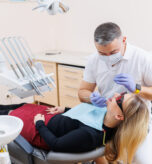

A healthy smile is more than just an attractive appearance. It plays an essential role in overall health, confidence, and everyday comfort. From maintaining healthy teeth and gums to restoring damaged teeth and improving smile aesthetics, regular dental care helps prevent oral health problems and supports long-term well-being.
With modern dentistry offering a wide range of preventive, restorative, and cosmetic treatments, patients can now access personalized solutions for different dental concerns. However, knowing which treatment is appropriate and when to seek professional care is just as important as maintaining a daily oral hygiene routine.
At Wahat Alyasmeen Medical Center in Ajman, the Dental Department focuses on the importance of comprehensive oral healthcare, helping patients understand their dental needs and make informed decisions about their treatment options.
Why Is Regular Dental Care Important?
Many dental problems develop gradually and may not cause noticeable discomfort during their early stages. Tooth decay, gum inflammation, and other oral health conditions can progress without obvious warning signs.
Regular dental examinations allow dentists to assess the condition of the teeth, gums, and surrounding oral tissues, identify potential concerns, and recommend appropriate treatment before problems become more complicated.
Maintaining regular dental visits can help with:
Detecting tooth decay at an early stage.
Preventing and managing gum disease.
Identifying damaged teeth and worn dental restorations.
Monitoring existing dental work.
Maintaining fresh breath and good oral hygiene.
Supporting long-term dental health.
Preventive care is often the simplest way to reduce the risk of more extensive dental procedures in the future.
What Services Does a Dental Department Provide?
A comprehensive dental department addresses a variety of oral health needs, from routine check-ups to treatments that restore the function and appearance of teeth.
The appropriate treatment depends on the patient’s dental condition, medical history, and individual goals.
1. General Dentistry and Dental Check-Ups
General dentistry forms the foundation of good oral health. Routine examinations help dentists monitor the condition of the teeth and gums, identify early signs of dental problems, and provide recommendations for ongoing care.
During a dental check-up, the dentist may examine the teeth for cavities, assess gum health, evaluate existing fillings or crowns, and recommend dental X-rays when clinically necessary.
Regular examinations are particularly important for patients who have a history of tooth decay, gum problems, or previous dental treatments.
2. Professional Teeth Cleaning
Even with regular brushing and flossing, plaque can accumulate in areas that are difficult to clean thoroughly. Over time, plaque may harden into tartar, which cannot be removed through ordinary brushing alone.
Professional dental cleaning helps remove accumulated plaque and tartar, supports gum health, and contributes to a cleaner, fresher-feeling mouth.
Your dentist may also recommend a cleaning schedule based on your oral health, gum condition, and individual risk factors.
3. Restorative Dentistry
Tooth decay, fractures, and everyday wear can affect the strength and function of natural teeth. Restorative dentistry aims to repair damaged teeth and restore their ability to function comfortably.
Depending on the condition of the tooth, treatment options may include:
Dental fillings: Used to repair teeth affected by cavities.
Dental crowns: Help protect and restore teeth that are significantly weakened or damaged.
Root canal treatment: May be necessary when the inner pulp of a tooth becomes inflamed or infected.
Dental bridges: Replace one or more missing teeth by using supporting teeth or other appropriate structures.
The dentist evaluates each case carefully to determine the most suitable approach and preserve natural tooth structure whenever possible.
4. Cosmetic Dentistry
A confident smile can make a meaningful difference in how people feel about their appearance. Cosmetic dentistry focuses on improving the colour, shape, alignment, and overall appearance of teeth while considering oral health and function.
Depending on individual needs, cosmetic treatments may include professional teeth whitening, dental veneers, smile enhancement procedures, and selected restorative treatments.
Before recommending a cosmetic procedure, the dentist should assess the health of the teeth and gums. Addressing existing dental problems first helps create a healthier foundation for aesthetic improvements.
The goal is to achieve a balanced, natural-looking smile that complements the patient’s facial features.
5. Orthodontics and Teeth Alignment
Misaligned teeth can affect more than the appearance of a smile. Depending on the severity of the problem, they may also make cleaning difficult or contribute to an uneven bite.
Orthodontic treatment aims to improve the alignment of teeth and the relationship between the upper and lower jaws.
Treatment options may include traditional braces or clear aligners, such as Invisalign, when appropriate for the patient’s condition.
The choice of treatment depends on factors such as the degree of crowding, spacing, bite problems, age, and the patient’s ability to follow the treatment plan.
A dental assessment helps determine whether orthodontic treatment is necessary and which approach may provide the best outcome.
6. Dental Implants and Tooth Replacement
Missing teeth can affect chewing, speech, confidence, and the distribution of forces across the remaining teeth. Replacing missing teeth can help restore oral function and improve the appearance of the smile.
Dental implants are one option for tooth replacement. They involve placing a small implant into the jawbone to support a crown, bridge, or other suitable restoration.
However, not every patient is immediately suitable for dental implants. Bone quality, gum health, general health, and other clinical factors must be assessed before treatment.
Depending on the individual case, alternatives such as dental bridges or removable dentures may also be considered.
7. Gum Health and Periodontal Care
Healthy gums are essential for maintaining strong, functional teeth. Gum disease often begins with inflammation caused by plaque accumulation and may progress if left untreated.
Common warning signs include bleeding during brushing, swollen gums, persistent bad breath, gum recession, and loose teeth in more advanced cases.
Early evaluation is important because untreated periodontal disease can damage the tissues that support the teeth.
Treatment depends on the severity of the condition and may involve professional cleaning, improved oral hygiene practices, or more specialized periodontal care.
How Often Should You Visit the Dentist?
The ideal frequency of dental visits varies from person to person. Many patients benefit from a dental examination every six months, but some may require more frequent visits depending on their oral health and risk of developing dental problems.
Your dentist may recommend a different schedule if you have:
A history of gum disease.
Frequent cavities.
Dental implants, crowns, or other restorations requiring monitoring.
Medical conditions that affect oral health.
Persistent tooth sensitivity or other dental symptoms.
It is also important to book an appointment if you notice tooth pain, swelling, bleeding gums, a broken tooth, or a change in your bite rather than waiting for your next routine visit.
Severe swelling, difficulty swallowing or breathing, or rapidly spreading facial swelling requires urgent medical attention.
Daily Habits That Help Protect Your Smile
Professional dental care works best when combined with consistent oral hygiene at home. Small daily habits can make a significant difference in maintaining healthy teeth and gums.
Brush twice daily: Use a fluoride toothpaste and a soft-bristled toothbrush, paying attention to the gumline and hard-to-reach areas.
Clean between your teeth: Dental floss or suitable interdental cleaners help remove food particles and plaque from areas a toothbrush may miss.
Limit frequent sugary snacks: Repeated exposure to sugar increases the risk of tooth decay.
Drink water regularly: Water helps maintain oral comfort and supports saliva’s natural protective functions.
Avoid tobacco: Smoking and other tobacco use increase the risk of gum disease and can negatively affect oral health.
Do not ignore symptoms: Persistent pain, sensitivity, bleeding, or swelling should be evaluated by a dental professional.
These habits, combined with regular check-ups, can help preserve your natural teeth and reduce the likelihood of preventable dental problems.
How Do You Choose the Right Dental Treatment?
There is no single dental treatment that is suitable for everyone. Two patients with similar symptoms may require different approaches depending on the underlying cause, the condition of their teeth, and their overall oral health.
A proper treatment plan generally begins with a clinical examination, followed by any necessary diagnostic tests. The dentist then explains the available options, their expected benefits, possible limitations, and the care required after treatment.
Patients should feel comfortable asking questions about treatment alternatives, costs, expected timelines, and long-term maintenance.
An informed decision helps ensure that treatment addresses the actual dental concern rather than focusing only on its visible symptoms.
Why Choose Wahat Alyasmeen Medical Center in Ajman?
Choosing a dental provider is an important step toward maintaining a healthy smile. Patients benefit from an approach that considers preventive care, treatment needs, comfort, and long-term oral health.
At Wahat Alyasmeen Medical Center – Ajman, patients can seek professional guidance regarding their dental concerns and explore suitable treatment options based on an individual assessment.
Whether you need a routine dental check-up, advice about a damaged tooth, or an evaluation for cosmetic or restorative treatment, the first step is understanding your needs and determining the most appropriate course of care.
The right treatment plan should prioritize oral health, patient safety, and realistic expectations while supporting a comfortable and confident smile.
Conclusion: A Healthy Smile Starts with the Right Dental Care
Maintaining healthy teeth and gums requires more than brushing every day. Regular dental examinations, preventive care, early treatment, and informed decisions all contribute to better long-term oral health.
From general dentistry and professional cleaning to restorative treatments, orthodontics, and cosmetic dentistry, modern dental care offers a range of solutions for different needs.
The key is to choose treatments based on a professional assessment and maintain good oral hygiene throughout every stage of life.
At Wahat Alyasmeen Medical Center in Ajman, taking care of your smile begins with understanding your dental health and exploring the options that best suit your needs. Schedule a dental consultation to discuss your concerns and take the next step toward healthier teeth, stronger gums, and a confident smile.